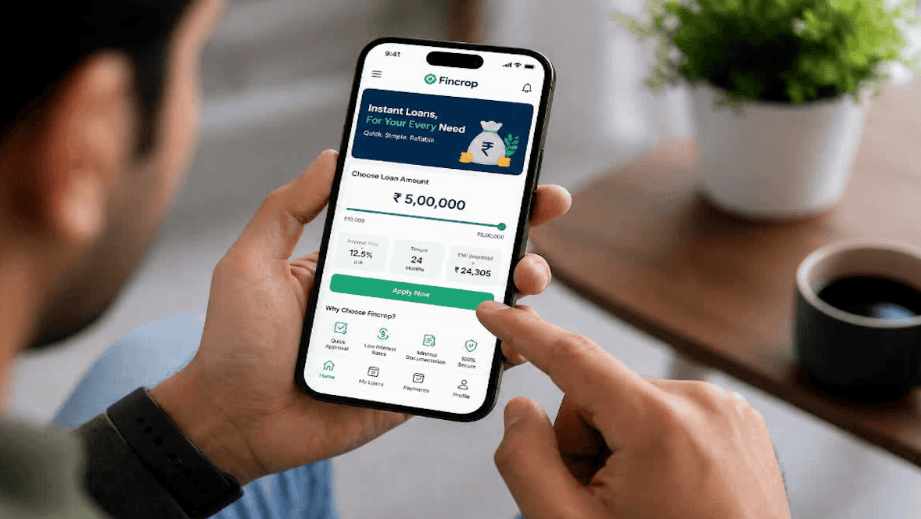
Digital lending has changed how loans reach a borrower’s account, and repayment has quietly followed the same shift toward faster, app-based rails. UPI, once mainly associated with splitting a dinner bill or paying a shopkeeper, is now a genuine repayment channel for personal loans, alongside older methods like NACH and standing instructions. Keep on reading to know how this repayment flow actually works and how it helps you choose a setup that won’t quietly fail on a due date.
Why This Question Comes Up So Often
Most of the conversation around digital lending focuses on how fast a loan gets disbursed, which leaves the repayment side of the process a little less understood by comparison. Borrowers reasonably assume that if UPI can move money into their account in seconds, it should work just as smoothly in the other direction. It generally does, but the mechanics differ slightly depending on whether you’re making a one-time payment or setting up something recurring.
How a UPI-Based Repayment Actually Works
A loan repayment through UPI can happen in a couple of different ways, and it helps to understand both before deciding which one suits your situation.
One-Time Manual Repayment
For a single instalment or to clear an overdue amount, you can simply make a UPI payment to the lender’s designated virtual payment address, the same way you’d pay any other biller. This works well for a one-off top-up or an early part-payment, though it does rely on you remembering to do it on time each cycle.


UPI Autopay for Recurring EMIs
Most lenders set up a UPI Autopay mandate during onboarding for regular monthly EMIs. That generally authorizes a fixed amount to be debited automatically on each due date without you having to initiate anything manually. This mandate needs to be approved once through your UPI app and then continues running until the loan is closed or the mandate is cancelled.
What Happens on the Due Date
On the scheduled date, the mandate triggers a debit request against your linked bank account, and as long as sufficient balance is available, the amount moves through automatically within moments. A confirmation typically follows almost immediately, which is what makes this method noticeably more reliable than depending on yourself to remember a manual transfer every single month.
Is This Repayment Method Actually Allowed?
Yes, UPI is a recognised and fully permitted repayment channel for personal loans in India, and there’s no regulatory restriction stopping a lender from accepting EMIs this way. What does matter is that the mandate or payment is set up correctly against the loan account you intend to repay, since a mismatched reference can occasionally cause a payment to be delayed while it gets reconciled on the lender’s side.
Comparing UPI Repayment to Other Methods
UPI sits alongside a few older repayment methods, and each one behaves a little differently in practice.
- NACH mandate: widely used for EMIs, reliable, but setup and any changes to it can take a few working days to process.
- ECS or standing instructions through your bank: functionally similar to NACH, though increasingly being phased out in favor of UPI Autopay.
- Manual bank transfer (IMPS or NEFT): works fine for a one-time payment, though it depends entirely on you remembering the due date.
- UPI Autopay: fast to set up, easy to track from your phone, and generally the quickest of the recurring options to activate.
See also: Business Maximization 2532360471 Strategy Framework
What Happens If a UPI EMI Payment Fails
A UPI payment can fail for reasons that have nothing to do with the loan itself. The most common reasons behind the failure include insufficient balance on the due date, a temporary bank server issue, or a mandate that’s expired and needs re-authorization. Most lenders will attempt the debit again within a short window. They will also notify you if it fails a second time. So, make sure to keep an eye on your linked account around each due date rather than assuming the payment always goes through silently.
Setting Up Reliable Repayment Through a Loan App
A quick loan app that lets you view your repayment schedule, set up Autopay, and check payment status from one screen removes a lot of the guesswork around whether an EMI actually went through. Having that visibility in one place makes it far easier to catch a failed payment early, before it turns into a late fee or a mark against your credit history.
Questions Worth Asking About Your Repayment Setup
A few checks when you first set up repayment can save you from a missed EMI later.
- Is my UPI Autopay mandate linked to an account I actually keep sufficiently funded around the due date?
- Does my lender notify me before the debit attempt, or only after it succeeds or fails?
- What to do if a payment fails, and how many days do I have before a late fee applies?
- Can I switch between manual UPI payments and Autopay if my preference changes later?
- Where can I see a clear record of past repayments in case I need to dispute or confirm one later?
Final Thoughts
Repaying a digital loan through UPI is not only allowed, but it’s also become one of the more dependable ways to stay on schedule, particularly once an Autopay mandate is in place. The one-time route works fine for occasional payments, but a recurring mandate removes the risk of simply forgetting a due date. Either way, understanding how the payment actually flows and what to do if it doesn’t go through puts you in a far better position than assuming it will always just happen quietly in the background.