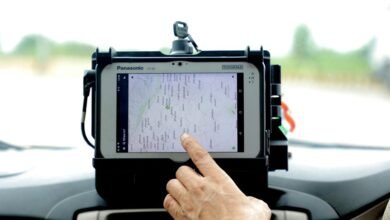
The Traffic Authority 2193102036 Optimization Plan targets congestion by modernizing signal timing, unified data governance, and transparent decision processes. It emphasizes data-driven timing, predictive analytics, and real-time monitoring to reduce stops, shorten delays, and improve safety through better gap management. Cross-jurisdiction data sharing and inclusive governance support accountability. Community engagement and measurable metrics frame resilience and public trust, creating a pathway that invites scrutiny of outcomes and governance, and leaves a precise question unanswered.
What the Traffic Authority 2193102036 Plan Aims to Fix
The Traffic Authority 2193102036 Plan aims to address persistent inefficiencies in congestion management, outdated signal timing, and data fragmentation across jurisdictional boundaries. It emphasizes data governance and structured risk assessment to identify vulnerabilities, align stakeholders, and standardize practices. By assessing data flows and governance gaps, the plan seeks transparent decision-making and reliable metrics that support objective, freedom-enhancing traffic optimization across regions.
How Data-Driven Timing Reduces Delays and Boosts Safety
Data-driven timing uses real-time and historical traffic data to adjust signal phases, offsets, and cycle lengths, reducing stop-and-go conditions that contribute to delays.
In controlled deployments, smoother progression lowers queuing and fuel burn while maintaining throughput.


Evidence indicates improved traffic safety through timely gap management and reduced red-light violations, supporting efficiency without sacrificing precautionary margins.
Data driven timing aligns with freedom-focused mobility objectives.
Predictive Analytics and Real-Time Monitoring in Action
Predictive analytics synthesize historical patterns and live sensor feeds to forecast congestion, optimize signal timing, and preempt bottlenecks.
The approach emphasizes real time monitoring, enabling data driven timing and rapid adjustments that support traffic safety.
Outcomes include reduced delays, clearer collaboration transparency, and enhanced community engagement while maintaining analytical rigor and concise, evidence-based decision making.
Collaboration, Transparency, and Community Engagement
Collaborative frameworks and transparent processes underpin the effective deployment of predictive analytics in traffic systems.
The analysis highlights collaboration pitfalls that can derail stakeholder alignment, and transparency gaps that obscure data provenance and decision rationales.
Community engagement enhances legitimacy, yet requires inclusive governance, measurable accountability, and clear communication channels.
When gaps are addressed, systems gain resilience, trust, and sustained public acceptance.
Conclusion
The Traffic Authority 2193102036 plan promises pristine efficiency with its data-driven timing, predictive analytics, and cross-jurisdiction collaboration. Ironically, the more measurements and dashboards proliferate, the more predictable congestion becomes—at least in theory. Yet the emphasis on transparency and community engagement provides a plausible safeguard against opaque decisions. In short: if timing and data align, delays may wane; if not, stakeholders will still have a clear, well-documented paper trail to blame or praise.