The Benefits of Artificial Intelligence in Food Production
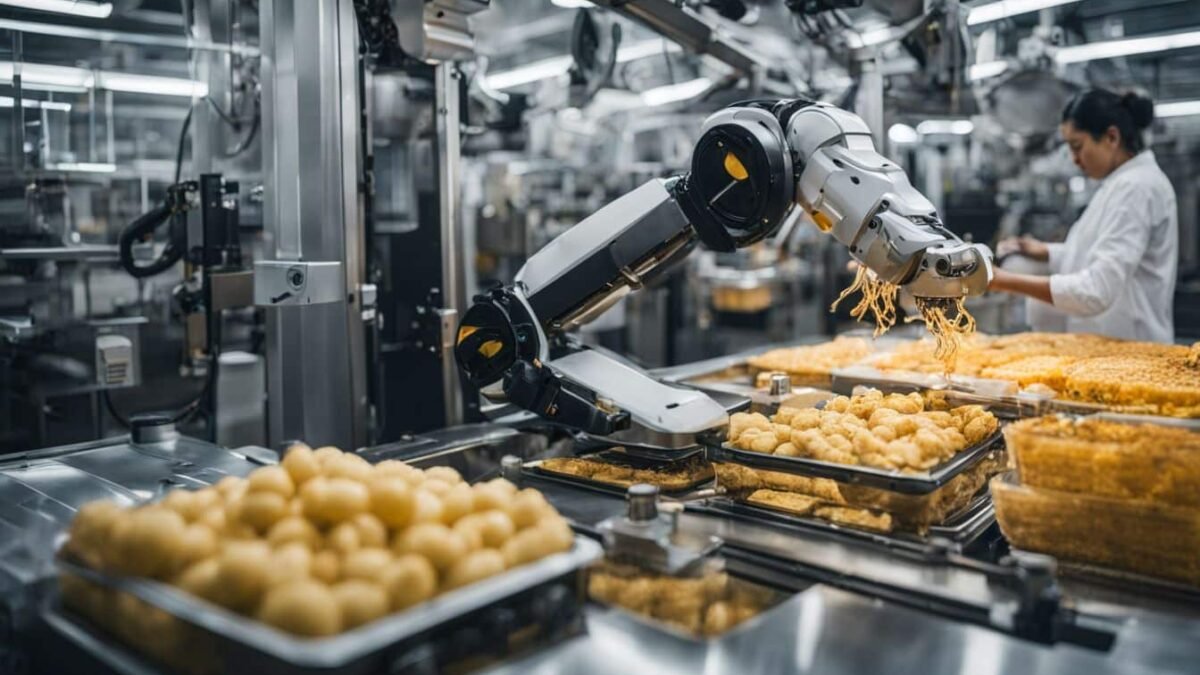
Artificial intelligence integrates sensor data, predictive models, and automated controls to optimize yield, quality, and consistency across the food supply chain. It enables precise logistics, adaptive forecasting, and resource optimization while reducing waste. AI enhances safety, traceability, and regulatory compliance through auditable records and rapid corrective actions. Governance and validation provide transparent decision-making and robust data stewardship. This data-driven approach yields efficiency and resilience from farm to fork, but its practical implementation raises questions worth exploring.
How AI Enhances Yield, Quality, and Consistency
AI-driven systems enhance yield, quality, and consistency in food production by integrating sensor data, predictive models, and automated controls across the supply chain.
The approach translates complex datasets into actionable parameters, enabling targeted interventions and standardization.
Key benefits include precision logistics and adaptive forecasting, reducing variability, optimizing resource use, and sustaining product integrity through measurable, data-backed decision cycles.
AI-Driven Supply Chain and Waste Reduction
The integration of predictive analytics and automated controls across food networks enables tighter coordination of sourcing, production, and distribution while actively minimizing waste.
AI driven forecasting informs demand, enabling precise production and inventory alignment.
AI powered logistics reduces transit times and spoilage, while supplier optimization enhances reliability and pricing.
This data-driven approach drives waste minimization and operational resilience across end-to-end supply chains.
Safety, Compliance, and Traceability With AI
The approach emphasizes auditable records, incident追踪, and regulatory alignment, enabling rapid corrective actions.
Yet privacy concerns and algorithm bias require rigorous governance, ongoing validation, and independent oversight to ensure transparent decision-making without compromising operational efficiency or stakeholder trust.
Choosing AI Tools: Criteria for Food Production
In light of the governance and verification concerns outlined previously, selecting AI tools for food production requires a structured evaluation framework that prioritizes interoperability, data integrity, and measurable outcomes.
The criteria emphasize ai ethics and data governance, including transparent provenance, vendor integrity, and robust validation.
Decision makers compare performance, scalability, and risk, ensuring tools align with regulatory expectations and production realities without compromising operational freedom.
See also: The Difference Between Short-Term and Long-Term Crypto Trading
Frequently Asked Questions
What Are Ai’s Long-Term Sustainability Impacts in Farming?
AI’s long-term sustainability impacts in farming hinge on responsible AI ethics and robust data governance; outcomes depend on transparent metrics, scalable governance, and industry collaboration to reduce resource use, ensure resilience, and balance innovation with ecological and social safeguards.
How Does AI Affect Smallholder Farmer Profitability?
Ironically, AI improves smallholder profitability by optimizing inputs and risks, yet data gaps and capital barriers persist; adoption barriers shape outcomes. The analysis shows incremental gains, with profitability sensitive to access, trust, and scalable fintech-enabled support for smallholders.
Can AI Replace Human Expertise Entirely in Production?
AI cannot fully replace human expertise in production; it augments decision-making, while essential tacit knowledge remains indispensable. AI ethics and data governance shape deployment, ensuring transparency, accountability, and resilience, even as automation scales and industry autonomy expands.
What Are Ai-Driven Job Displacement Concerns in Food Plants?
AI-driven job displacement concerns in food plants stem from automation replacing routine tasks; workforce implications include retraining needs, regional skill gaps, and transitional unemployment. AI ethics guides governance, transparency, and equitable opportunity, supporting a data-driven, industry-focused, freedom-loving workforce transition.
How Is Consumer Data Privacy Handled in AI Systems?
Data privacy is safeguarded through strict data minimization, robust access controls, and encryption, ensuring consumer consent is obtained before collection. Industry practices emphasize transparent usage policies, independent audits, and breach notifications to maintain trust and regulatory compliance.
Conclusion
Artificial intelligence empowers food production with measurable gains in yield, quality, and consistency, underpinned by data-driven insights and auditable safety records. While concerns about job displacement and data privacy persist, the evidence supports improved resource efficiency, waste reduction, and resilient supply chains. When governance, validation, and transparent decision-making accompany implementation, AI delivers reliable performance and traceability from farm to fork, fostering trust among stakeholders and elevating industry standards.